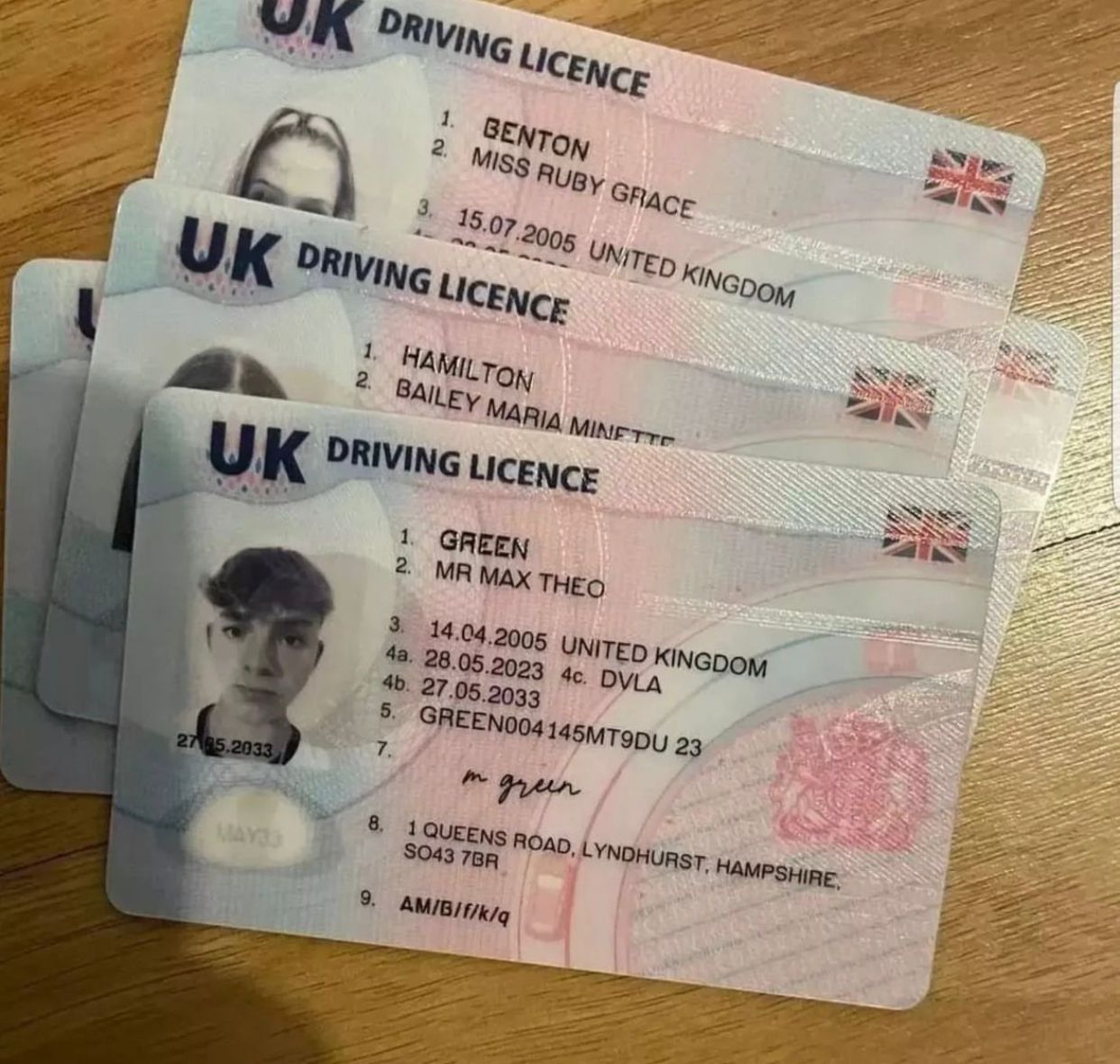
Understanding the UK Driver License: A Comprehensive Guide
Driving in the United Kingdom is an advantage that includes a significant quantity of obligation. Acquiring a UK driver license involves different steps, policies, and requirements tailored to make sure that new drivers satisfy safety and competency requirements. This post will take a thorough appearance at what it requires to obtain a UK driver license, the kinds of licenses readily available, the application procedure, and answers to regularly asked concerns about driving in the UK.
Kinds Of UK Driver Licenses
Before delving into the application procedure, it's necessary to comprehend the different kinds of driver licenses readily available in the UK. The table listed below lays out the primary classifications:
| License Category | Types of Vehicles | Age Requirement |
|---|---|---|
| A | Bikes | 17 years |
| B | Automobiles and light vans | 17 years |
| C | Big products vehicles (LGVs) | 18 years |
| D | Buses | 24 years |
| EB | Category B lorries with trailers | 17 years |
| F | Agricultural lorries | 16 years |
* Age requirements relate to the minimum age at which a license can be sought for particular car classifications.
Provisional Licenses
Before acquiring a full license, one must first obtain a provisionary license. This enables aiming drivers to practice their driving skills under certain conditions. To make an application for a provisional license, candidates should be at least 15 years and 9 months old.
The Application Process
Getting a UK driver license consists of a number of vital steps. Below is a thorough list of the process:
Step 1: Apply for a Provisional License
Candidates can use for a provisional license online or through the post. The necessary documents required consist of evidence of identity and residency, along with a passport-sized image. The fee for obtaining a provisionary license is approximately ₤ 34 when done online and ₤ 43 when using by post.
Step 2: Prepare for the Theory Test
Once the provisional license is acquired, applicants should get ready for the theory test. The test is made up of multiple-choice concerns and a threat understanding section. Familiar resources like the "Highway Code" and various online tools and apps are readily available to help in preparation.
Step 3: Take the Driving Lessons
It's highly recommended to take driving lessons with an approved driving trainer. Lessons will include practical abilities and road-living strategies required for safe driving.
Step 4: Pass the Theory Test
The theory test must be passed before a practical driving test can be taken. The test is usually taken at a designated test center and can be reserved online.
Step 5: Book Practical Driving Test
When the theory test is passed, candidates can reserve their practical driving test. It's advisable to set up the test a minimum of 2-3 months ahead, as waiting times can vary.
Action 6: Pass the Practical Driving Test
Throughout the practical test, candidates will be evaluated on their ability to drive securely and legally. Effective candidates will receive their complete driving license, while those who do not pass will receive constructive feedback for improvement.
Step 7: Receive Your Full License
After passing the practical test, prospects can either obtain the full driving license or have it sent straight to them if the test was performed through the Driver and Vehicle Standards Agency (DVSA).
Important Considerations
While the process of getting a driver license is reasonably uncomplicated, a number of essential elements should be kept in mind:
- Insurance: Full insurance protection is compulsory for anyone who wants to drive.
- Roadway Traffic Regulations: Adherence to regional laws and guidelines is critical to make sure roadway safety.
- Penalties: Keeping within the speed limitations and avoiding driving under the impact of alcohol or drugs is essential, as charges can result in fines or the loss of a license.
Often Asked Questions (FAQs)
1. What do I need to give my driving test?
Prospects must bring their legitimate provisionary license, a UK passport (or another form of recognition), and any confirmation e-mails or files associated with their booked test.
2. For how long does it take to get my driver license after passing the test?
After passing the useful test, a driver can expect to get the full license within 2 to 3 weeks. It can be sent out directly to the address offered in the application.
3. Can I drive with a provisional license?
Yes, however it is necessary to be accompanied by a certified driver (who needs to be over 21 and have held a full license for at least 3 years) when driving with a provisionary license.
4. Exist any exemptions for driving tests for particular candidates?
Yes, applicants who have actually held a license from another nation may be able to exchange it for a UK license without retaking the driving test, depending on the country's guidelines.
5. Just how much does it cost to get a driver license in the UK?
The cost can vary but typically includes the following fees:
- Provisional License: ₤ 34 (online) or ₤ 43 (by post)
- Theory Test: Around ₤ 23
- Dry Run: Approximately ₤ 62 (or ₤ 75 for evenings/weekends)
- Driving lessons: Varies by instructor, generally in between ₤ 25-₤ 60 per hour.
Making a UK driver license is a considerable milestone in any person's life. It opens new chances for independence and mobility. However, ukdrivinglicense is vital to approach the procedure with severity and duty. By comprehending the kinds of licenses offered, preparing properly for tests, and following traffic laws, aspiring drivers can not only pass their tests effectively but also contribute to a safer driving environment in the UK. Whether you're a learner, a new driver, or just aiming to brush up on your knowledge, this thorough guide serves as a valuable resource for navigating the journey toward obtaining a UK driver license.